The food industry constantly seeks innovations that improve product quality and extend shelf life. One such innovation is the IQF technology. It has revolutionized the way food is frozen, maintaining the freshness and nutritional value of a variety of food products. Continuous IQF systems, in particular, offer numerous benefits to producers, retailers, and consumers alike. Below, we delve into the advantages this technology presents to the food industry and how it addresses consumer demands for premium-quality frozen foods.
Exploring the Advantages of Continuous IQF Freezing in Food Preservation
Continuous IQF freezing stands out in food preservation for its ability to freeze individual pieces of product quickly and efficiently. This method prevents large ice crystals from forming, thereby safeguarding cellular structures and maintaining product integrity. Unlike traditional freezing methods, which can cause products to clump together, IQF freezes items separately, preserving not only their quality but also their convenience for end-users.
The fast freezing speed also plays a critical role in inhibiting bacterial growth. As a result, food products undergo less degradation while awaiting further processing or transportation. This advantage is particularly important in preserving the safety of food products, reducing the likelihood of foodborne illnesses, and thereby promoting consumer confidence in frozen foods.
Lastly, sustainability concerns are addressed with the implementation of continuous IQF freezing systems. These systems typically use less energy per kilogram of product frozen than traditional blast freezing, contributing to a lower carbon footprint for food producers and making it an environmentally friendly choice for the industry.
Maximizing Shelf Life and Reducing Waste Through IQF Freezing

Longevity is a critical concern in the food industry, and continuous IQF systems can significantly extend the shelf life of perishable goods. By freezing products at peak ripeness, not only is optimal flavor preserved, but the window for selling and consuming these items is greatly expanded. This allows retailers to keep products on shelves longer without risking spoilage, minimizing food waste, and maximizing profits.
Reducing food waste is a global challenge, and IQF technology contributes valuable solutions. With the ability to freeze and store food for extended periods, there is a reduced need for immediate sale and consumption. This benefits the entire supply chain from producer to consumer, as the flexibility in inventory management affords better planning and less pressure on just-in-time delivery expectations.
For consumers, the extended shelf life facilitated by IQF means they can keep a variety of foods in their home freezers for prolonged periods without worrying about quality loss. This flexibility in preserving food helps households manage their meal planning more effectively, ensuring they always have access to nutritious ingredients.
Operational Efficiency and Cost-Effectiveness of Continuous IQF Systems
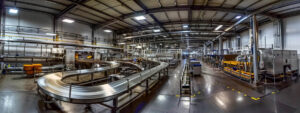
Continuous IQF systems are not just technologically advanced, but they also provide considerable improvements in operational efficiency. With their continuous nature, they can process large volumes of food consistently, reducing the need for batch processing and manpower. Automation within these systems further allows for streamlined operations and a reduction in the potential for human error.
The cost-effectiveness of IQF technology becomes evident over time. Although there is an initial investment required for the equipment, savings accrue through reduced labor costs, lowered energy consumption, and minimized product loss. The efficiency gains can lead to greater throughput and faster return on investment for food processing facilities that implement these systems.
Additionally, the scalability of IQF freezing systems means they can be adapted to meet the needs of businesses as they grow. Flexibility in processing speeds and capacities supports business expansion without the overheads commonly associated with scaling up operations, thus driving sustained profitability.
Meeting Consumer Demand for Freshness With Advanced Freezing Solutions

Today’s consumers demand food that is both convenient and fresh. Continuous IQF technology is adept at meeting these demands, offering a product that retains the qualities of freshness that consumers seek. By freezing food fast enough to create small ice crystals, the texture, flavor, and nutritional profile of fresh food are captured and maintained until the moment of consumption.
Advanced freezing solutions, such as IQF, also allow for greater variety in the frozen food aisle. Consumers eager to try new flavors and ingredients, including exotic fruits, vegetables, and sustainably sourced seafood, can do so thanks to the expanded capabilities of IQF freezing. This global pantry is made possible by the technology’s versatility and ability to preserve a broad spectrum of food products.
Altogether, the use of continuous IQF freezing systems in the food industry provides substantial advantages that span from quality preservation to operational efficiencies. As businesses strive to meet the evolving expectations of consumers while balancing economic and environmental factors, IQF technology emerges as an essential tool in the sustainable advancement of the food sector.